So you want to become a content creator. You have ideas, you have passion, and you're ready to share something with the world. But there's one big question standing in your way: should you start a blog or a vlog? It's a decision that shapes everything — the skills you'll learn, the equipment you'll buy, the audience you'll attract, and the money you'll make. And the wrong choice can leave you frustrated, burned out, and wondering why nobody is watching or reading. This guide will walk you through every dimension of that decision: what blogging and vlogging actually are, how they compare on cost, time, skills, SEO, audience, and money, and — most importantly — which one fits you best. What Is Blogging? A Complete Beginner's Guide Blogging is the practice of writing and publishing articles — called blog posts — on a website. A blog post is a piece of written content that covers a specific topic, idea, or question. It lives on the internet where anyone c...
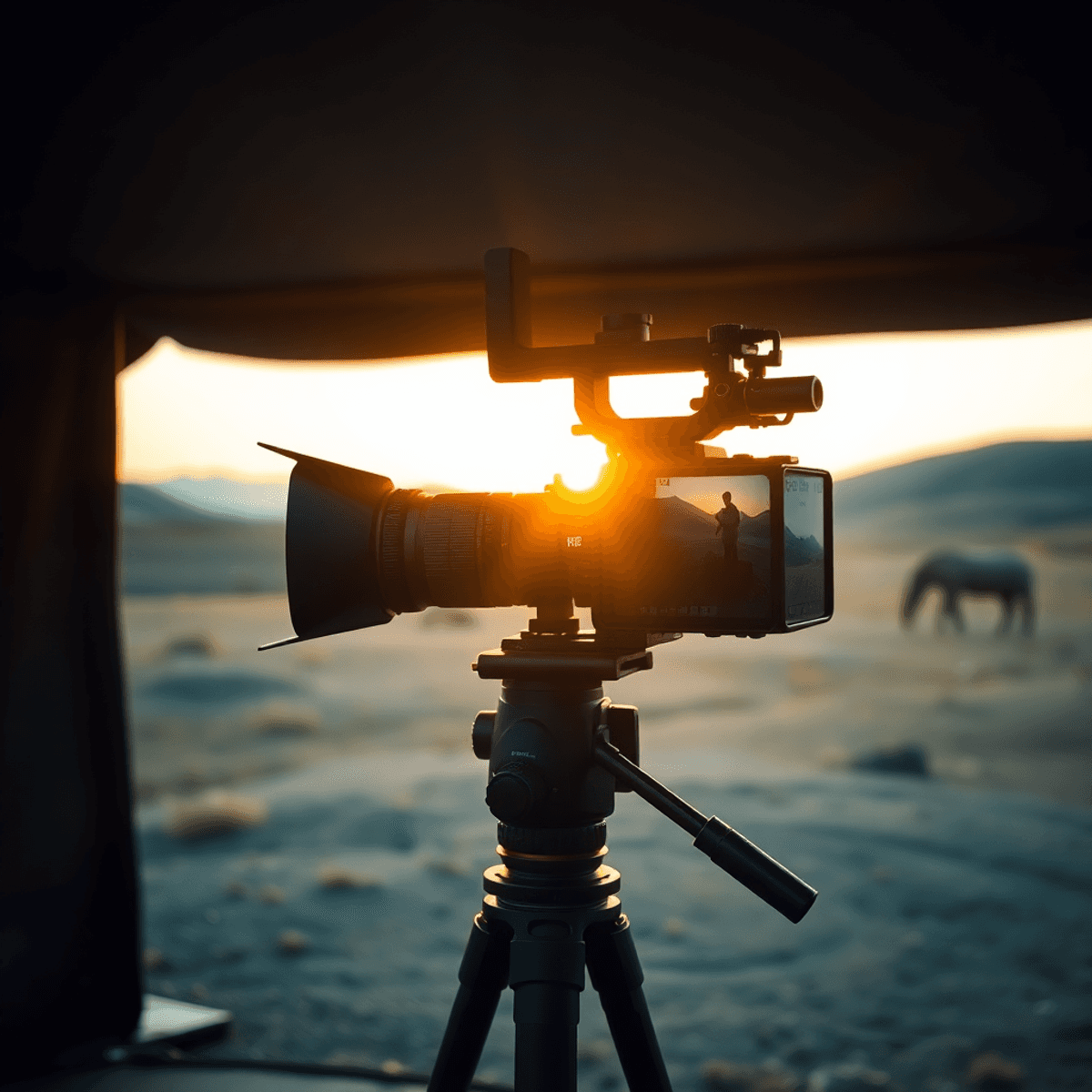
The world of content creation is changing quickly with the rise of AI-driven video creation technologies. One of the most exciting developments in this field is the emergence of photo to video AI tools, which have become increasingly popular. These tools allow users to transform still images into engaging videos, opening up new possibilities for creators, marketers, and storytellers.
With photo to video AI tools, it's now possible to create captivating videos without the need for expensive filming equipment or extensive editing skills. This innovation has democratized video production, making it accessible to a wider audience.
However, creating high-quality videos using AI technology requires more than just an understanding of the tools themselves. It also involves mastering the art of crafting effective AI video prompts. Unlike image prompts, which only need to convey a single frame, video prompts must communicate movement, timing, and narrative progression in order to generate realistic and compelling outputs.
In this guide, we'll explore how combining prompts with camera references can enhance the effectiveness of AI video generation. By including specific instructions about camera angles, movements, and shot compositions in our prompts, we can guide the AI in producing videos that closely align with our creative vision.
Whether you're a seasoned filmmaker looking to experiment with AI technology or a marketer seeking innovative ways to promote your brand through video content, this guide will provide you with practical strategies and insights to optimize your video SEO and leverage video AI tools for storytelling excellence.
Understanding the Basics of AI Video Prompts
AI video prompting techniques go beyond the fixed nature of image prompts by adding the important elements of movement and time. While image prompts only capture a single moment, prompt engineering for video requires us to consider how subjects move, interact, and change over a series of frames — creating a story arc in just a few seconds.
What Are AI Video Prompts?
A Prompt Video AI must convey:
- Subject + Action: Not just what appears in the frame but what the character or object is doing.
- Camera Language: Descriptions of how the camera moves or frames the subject, crucial for storytelling impact.
- Lighting/Time of Day: Setting mood through natural or artificial light cues that change over time.
- Clip Endpoints: Visual markers signaling where a scene begins and ends for smooth transitions.
This broader scope gives AI video generators more context to work with, but it also means we need to provide more detailed descriptions compared to image prompting.
What Makes Video Prompts Effective?
Creating effective prompts for an AI video generator involves balancing multiple elements:
- Subject + Action: Focus on behavior and narrative cause/effect rather than mere appearance. For example, instead of “woman smiling,” specify “woman slowly turning toward camera with a hesitant smile.”
- Camera Language: Incorporate terms like slow push-in, handheld follow shot, or rack focus to guide AI in replicating cinematic movements that convey emotion or tension.
- Lighting & Time of Day: Mention golden hour warmth, moody overcast skies, or neon-lit cityscapes to evoke atmosphere and reinforce thematic tone.
- Clip Endpoints: Define clear visual cues such as “camera lingers on closing door” or “fade out as figure walks away” to help maintain continuity.
Challenges in Creating Video Prompts
Crafting prompts for video AI comes with challenges that aren't usually present in still image generation:
- Vocabulary Limitations: Current prompt vocabularies often lack standardized terms for complex camera moves or temporal changes.
- Evolving Tools: Generative video models are rapidly developing; prompt writers must adapt continuously as new features emerge.
- No Canonical Guide: Unlike image prompting, no widely accepted framework exists yet to standardize how to describe dynamic scenes effectively.
These factors create a larger gap between raw AI output and videos that feel intentionally directed.
Why Specificity Is Crucial in Video Prompting
Videos need more specific descriptions because they unfold over time. Being precise about behavior — how subjects act and react through movement — has a much greater impact on viewer engagement than just describing their static appearance. If we focus too much on looks, we might end up with AI videos that look visually detailed but lack compelling motion narratives.
Balancing our descriptions between:
- What is happening (actions, interactions)
- How it looks (lighting, color palette)
- How it feels (camera movement, pacing)
will lead to richer storytelling across time.
Adjusting Our Skills for Writing Video Prompts
When we switch from writing image prompts to video prompts, we need to change our mindset from thinking about individual snapshots to focusing on flow and progression. Here are some skills that effective prompt writers develop:
- Sequencing actions logically within short clips
- Integrating cinematic language naturally without cluttering
- Visualizing scene transitions through clip endpoints
- Using atmosphere as emotional punctuation across time
This adjustment allows us to turn static ideas into dynamic stories powered by Prompts AI Video technology — forming the prompt swith SEO Hobby Expert can be such a fun.
Key Components for Crafting Effective AI Video Prompts
Creating compelling AI-generated videos hinges on mastering several core elements in your prompts. These components guide the AI to produce dynamic, cinematic sequences that resonate with viewers and elevate your AI explainer video, create a video with AI, or make a video with AI projects.
Subject + Action: The Heart of Video Prompts
Video prompts demand a shift from static descriptions of appearance to dynamic storytelling. The focus lies on:
- Character behavior and movement: What is the subject doing? How do their actions drive the narrative?
- Cause and effect: Describe interactions that imply progression or emotional shifts.
- Avoid overloading on physical details; instead, paint scenes through motion and intent.
For example:
Instead of "a man in a red jacket," use "a man briskly walking through a crowded market, glancing anxiously over his shoulder." This directs the AI to generate movement and tension rather than a frozen portrait.
Camera Movement as a Storytelling Tool
Camera language transforms simple visuals into emotional experiences. Incorporate specific movements into prompts to enhance narrative depth:
- Push-in: A slow zoom toward the subject’s face emphasizes tension or realization.
- Prompt example: "slow push-in on woman’s face as her eyes widen in shock."
- Handheld follow shot: Conveys urgency or intimacy by mimicking human perspective.
- Prompt example: "handheld follow shot tracking runner weaving through alleyways."
- Drone shots: Establish scale or isolation with overhead, sweeping views.
- Prompt example: "drone descending over misty forest revealing hidden cabin."
- Rack focus: Shifts attention between foreground and background to reveal plot points subtly.
- Prompt example: "rack focus from scattered debris to figure emerging in shadows."
These movements give your video a professional feel without requiring complex instructions.
Lighting & Atmosphere: Setting Mood and Tone
Lighting defines emotional tone just as much as subject matter. Use descriptive cues related to time of day and film aesthetics for atmospheric impact:
- Golden hour: Warm, soft light evoking nostalgia or romance.
- Example prompt snippet: "bathed in golden hour light with long shadows stretching across the street."
- Cinematic lighting: High contrast, dramatic shadows for suspense or drama.
- Example prompt snippet: "low-key cinematic lighting casting deep shadows on protagonist’s face."
- Kodak Portra 400 style film: Emulates vintage warmth and texture ideal for nostalgic scenes or natural skin tones.
- Example prompt snippet: "colors rendered with Kodak Portra 400 film grain effect, rich but soft hues."
Incorporating these elements enhances viewer engagement and boosts your content’s domain authority by signaling creativity paired with technical mastery.
Clip Endpoints: Ensuring Seamless Transitions
Defining clear visual endpoints guides the AI in creating smooth scene transitions and maintaining continuity across clips:
- Specify where action concludes or shifts focus.
- Use phrases like “camera pulls back,” “scene fades to black,” or “subject exits frame left” to anchor narrative flow visually.
- Helps avoid abrupt cuts or jarring changes that break immersion.
Example prompt ending: "as sun dips below horizon, camera slowly pulls back revealing entire valley in twilight."
Mastering these components equips you with tools to craft precise, cinematic prompts tailored for advanced AI video creation workflows—key steps toward professional-quality outputs whether you’re using an AI YouTube video maker or more sophisticated platforms.
Template Structures for Writing Strong Video Prompts
Crafting effective AI video prompts benefits greatly from structured templates that guide narrative and cinematic clarity. Three foundational prompt structures—Directed Beat, Environmental Establish, and Character Reveal—provide a versatile framework to articulate complex visual stories with precision.
Directed Beat Prompt Structure
The Directed Beat prompt structure focuses on capturing emotional intent alongside specific actions, enhanced by purposeful camera movements and atmospheric details. This template directs AI to generate moments rich in storytelling tension or release, encapsulating cause-and-effect dynamics within a single shot or short sequence.
Key Elements of Directed Beat Prompts
To create impactful Directed Beat prompts, incorporate the following elements:
- Emotional Intent & Action: Describe what the character feels and does, emphasizing behavior over appearance. For example:
- “A young woman clenches her fists, eyes brimming with tears, stepping forward defiantly.”
- Dynamic Camera Movement: Integrate movements like slow push-ins or handheld follow shots that heighten emotional impact. Example:
- “Camera slowly pushes in on her face, capturing rising tension.”
- Atmospheric Cues: Use lighting or environmental details to reinforce mood—golden hour warmth, misty background, flickering neon lights.
- “Soft sunset light filters through the window, casting long shadows.”
- Visual Endpoint: Define where this beat ends visually to ensure smooth transitions.
- “Frame holds as she pauses at the doorway, breathing heavily.”
This structure excels in creating cinematic moments that feel deliberate and emotionally charged without requiring excessive descriptive overload.
Environmental Establish Prompt Structure
Environmental Establish prompts set the scene using wide shots or aerial perspectives that convey location, weather conditions, and time of day with subtle motion hints to suggest life and tension in the environment.
Key Elements of Environmental Establish Prompts
To effectively establish environments through your prompts:
- Wide or Drone Shots: Specify vantage points that provide spatial context.
- “Aerial drone shot of a sprawling city at dawn, streets still quiet.”
- Location & Weather Details: Include specifics such as fog rolling over hills, rain-dampened streets, or harsh desert sun.
- “Mist clings to the forest canopy as early morning light pierces through.”
- Subtle Motion Hints: Add minor animated elements like drifting leaves, distant traffic lights blinking, or smoke curling upward to imply ongoing activity.
- “Wind stirs fallen leaves along empty sidewalks.”
This template situates viewers within a believable world and primes them for incoming narrative action by establishing atmosphere and grounding spatial relationships.
Character Reveal Prompt Structure
Character Reveal prompts combine detailed subject descriptions with camera techniques that gradually widen the frame to reveal emotional states or actions within an immersive atmosphere.
Key Elements of Character Reveal Prompts
When crafting Character Reveal prompts:
- Detailed Subject Description: Go beyond looks; describe posture, expression, and subtle gestures that communicate inner states.
- “A man sits hunched over a cluttered desk, fingers tapping nervously on scattered papers.”
- Camera Movement Widening Frame: Employ zoom-outs or crane pulls to shift perspective from intimate close-ups to broader context.
- “Camera pulls back slowly revealing dimly lit room filled with old photographs.”
- Atmosphere Reinforcement: Use lighting contrasts or environmental sounds implied through descriptions (rain tapping windowpanes) to deepen emotional resonance.
- “Cool blue tones dominate the scene as thunder rumbles faintly outside.”
This approach helps build empathy by linking micro-emotions with macro-environmental storytelling cues.
Narrative Flow and Character Consistency
Applying these templates consistently enhances narrative cohesion across multiple scenes. Each prompt type supports different storytelling needs: Directed Beats drive plot and emotion forward; Environmental Establish scenes anchor temporal and spatial context; Character Reveals deepen audience connection to protagonists.
Using structured prompt frameworks reduces ambiguity for AI models while maintaining creative flexibility for prompt engineers. The result is video content that flows naturally from one moment to the next with clear visual logic and sustained character arcs—bridging gaps between raw AI generation and directed filmmaking artistry.
Integrating Camera Language into AI Video Prompts for Cinematic Effects
Understanding camera reference in AI videos unlocks new dimensions of storytelling. Adapting classic filmmaking camera movements to AI prompting injects life and professional polish into generated content. These cinematic techniques shape viewer perception, guide emotional responses, and elevate the narrative beyond static visuals.
Common Camera Movements Adapted for AI Prompts
1. Slow Push-In
A gradual zoom or dolly toward the subject’s face or a critical object. This movement creates tension, intimacy, or focus on emotional details without verbal explanation.
Example prompt snippet:
slow push-in on the protagonist's anxious expression, golden hour light casting soft shadows
2. Handheld Follow Shot
Mimics natural human motion by following a character closely with slight camera shake. It conveys urgency, realism, or vulnerability. Effective for chase scenes or personal moments.
Example prompt snippet:
handheld follow shot tracking a runner through crowded streets at dusk
3. Drone/Overhead Descending Shot
Captures scale and environment from above, then descends to ground level for grounding the narrative in physical space. It emphasizes isolation, vastness, or discovery.
Example prompt snippet:
overhead drone descending slowly over misty forest revealing hidden cabin
4. Rack Focus
Shifts focus from one plane to another within the frame—e.g., blurry foreground to sharp background figure—highlighting narrative priorities or surprises.
Example prompt snippet:
rack focus from scattered debris in foreground to determined figure stepping forward
Describing Camera Movements Effectively Within Prompts
Precise language enhances storytelling impact while maintaining clarity for AI interpretation:
- Use action verbs related to movement: push-in, pull-back, pan, tilt, track, follow.
- Specify speed and mood: slow push-in vs. rapid handheld shake alters emotional tone.
- Incorporate subject relation: “following from behind,” “circling around,” “zooming out to reveal.”
- Attach atmospheric cues: lighting changes during camera moves enrich immersion.
- Avoid overly technical jargon that may confuse AI models; keep descriptions vivid but concise.
Examples of Camera Language Influencing Viewer Engagement
A slow push-in toward a trembling hand holding a letter draws attention to emotional weight without dialogue.
A handheld follow shot creates immediacy and empathy as the character navigates chaotic urban streets. An overhead drone descent unveils hidden narrative details by contextualizing characters within their environment. Rack focusing from an ominous shadow to a protagonist’s resolute face signals a turning point in tension.
These examples show how integrating camera references in prompts offers fast-track sophistication when you make AI videos, create AI video, or use an AI generator video platform. Well-crafted camera language bridges the gap between raw footage and directed cinematic experience without demanding complex scene descriptions.
Incorporating such references helps those who AI edit video or generate dynamic content harness the visual grammar of film language—a universal tool for conveying story beats visually through motion and perspective shifts rather than static imagery alone.
From Image Prompting to Video Prompting Skills Transition: A Practical Approach
Transitioning from image prompting to video prompting involves expanding your creative mindset from static visuals to dynamic storytelling. Experience with Midjourney or similar AI image generators lays a solid foundation. Familiarity with composing detailed, vivid prompts for still images helps in crafting the visual style and subject detail needed in videos. However, the leap requires integrating new layers of complexity tied to motion and temporal flow.
Key Differences Between Image and Video Prompting
1. Static vs. Dynamic Composition
Image prompts focus on a single frozen moment, emphasizing composition, lighting, and subject appearance. Video prompts demand anticipation of how elements evolve over time—actions unfold, emotions shift, and scenes transition smoothly.
2. Incorporating Motion and Behavior
Rather than merely describing how a subject looks, video prompting prioritizes what the subject does. Movement verbs, gestures, interactions between characters or environment must be explicitly described to guide the AI in generating believable motion sequences.
3. Scene Continuity and Narrative Flow
Videos are not isolated frames but sequences connected by visual and thematic continuity. Effective video prompts often specify clip start and endpoints or hint at subsequent actions to maintain coherence across multiple shots.
4. Temporal Phrasing and Vocabulary Expansion
Image prompting vocabulary centers around adjectives and nouns. Video prompting introduces verbs, adverbs, timing indicators ("slowly," "abruptly"), and cinematic terms (e.g., “rack focus,” “push-in”) that inform AI about pacing and rhythm.
Leveraging Midjourney Image Prompting Experience
1. Detail Orientation Translates Well
The practice of specifying textures, colors, lighting styles, and environments sharpens your ability to paint a vivid scene that can be animated with movement cues.
2. Visual Style Consistency
Knowledge of stylistic references (such as Kodak Portra film look or cinematic color grading) enhances video prompt quality by providing atmospheric continuity throughout moving shots.
3. Subject Description Skills
Precision in defining character attributes aids in maintaining identity consistency across frames when subjects perform various actions.
Addressing Added Complexity in Video Prompts
AI video generation introduces challenges related to capturing temporal dynamics:
- Predicting Motion Pathways
- Balancing Detail Density
- Ensuring Scene-to-Scene Coherence
- Temporal Narrative Arc Construction
- Iterative Refinement Through Testing
Mastering this transition equips creators to harness AI’s full potential for storytelling—not just generating striking images but directing compelling cinematic moments that engage viewers through motion, emotion, and atmosphere woven over time.
Tools and Platforms Enhancing AI Filmmaking with Prompts
AI filmmaking platforms have evolved to support creators in producing high-quality, cinematic videos through streamlined workflows tailored for generative AI video tools. These platforms bridge the gap between prompt engineering and video production, enabling smoother transitions from concept to final output.
Leading Platforms for Integrated AI Video Creation
1. LTX Studio
LTX Studio stands out as a comprehensive solution for AI-generated videos. It integrates script writing, storyboard management, and prompt-based video generation into a single platform. This integrated approach facilitates:
- Seamless scene-to-scene continuity
- Consistent character portrayal across clips
- Real-time adjustments to prompts based on visual feedback
LTX Studio’s environment encourages collaboration between writers, directors, and AI prompt engineers, making it ideal for professional-grade AI video creation.
2. Other Notable AI Video Creators
Various other ai video makers and video ai generators offer specialized features such as adaptive scene composition, automated shot selection based on narrative cues, and mood-setting via lighting presets. These tools often include libraries of camera language references which can be incorporated directly into AI video prompts to enhance storytelling depth.
PromptHero: The Resource Hub for Refining Prompt Skills
PromptHero plays a crucial role in the ecosystem of AI filmmaking by serving as a community-driven repository and learning platform focused on prompting expertise. Key contributions include:
- Prompt Specificity Enhancement: Users access curated examples demonstrating how nuanced wording impacts both image and video outputs. For ai generated video projects, mastering the balance between describing what happens (actions, motion) versus what is seen (appearance) becomes achievable.
- Shared Vocabulary for Cinematic Prompts: PromptHero provides an evolving lexicon tailored to camera movements, lighting styles, temporal sequences, and emotional beats. This shared vocabulary reduces ambiguity in prompts submitted to AI models, elevating the quality of generated videos.
- Cross-format Prompting Techniques: Resources show how techniques from Midjourney-style image prompting translate into dynamic video contexts—helping creators develop hybrid skills essential for next-level ai video generators.
Features in Generative AI Video Tools Elevating Filmmaking
Generative ai video tools increasingly incorporate filmmaking fundamentals beyond simple clip generation:
- Script Integration: Some platforms enable direct import or scripting within the tool itself. This allows prompts to be tied tightly to dialogue and narrative flow, ensuring that actions and camera movements align perfectly with story beats.
- Storyboard Alignment: Visual storyboards linked to prompt sequences help maintain coherent pacing and visual continuity. Storyboard frames can be annotated with precise instructions about camera angles or lighting setups that inform the underlying AI algorithms.
- Seamless Scene Transitions: Advanced scene transition management ensures smooth visual flow without jarring cuts or inconsistent lighting between shots. Prompts can include endpoint definitions describing how one clip visually resolves before moving onto the next—vital for polished cinematic effect.
- Character Consistency Tools: Maintaining consistent appearance and behavior of characters throughout a video project remains challenging but is increasingly supported by platforms offering memory or reference linking features that track characters over time.
The synergy between these tools allows creators—from hobbyists experimenting with an ai video creator to professionals using high-end video ai generators—to produce compelling narratives enriched by cinematic techniques embedded directly into their prompts. This fusion of technology and artistry marks a significant step forward in accessible AI filmmaking.
Additionally, AI technology has made significant strides in the endo of 2026 and begining of 2027 in SEO world mixed with GEO experts.
Best Practices for Writing SEO-Friendly AI Video Prompts
Crafting SEO-friendly prompts for AI-generated videos requires precision not only in creative expression but also in strategic keyword integration. This dual focus enhances discoverability on search engines while maintaining engaging, cinematic-quality video outputs.
Optimizing Metadata Through Well-Crafted Prompts
Align Keywords with Search Intent
Integrate terms like ai animation video generator, create video with ai, and video creator ai naturally within the prompt’s description. This helps search engines associate your content with common user queries related to AI video creation.
Incorporate Descriptive Tags
Use metadata fields to echo the prompt’s key visual and narrative elements — for example, specifying lighting style, camera movement, or character action. These details improve indexing precision and content relevance.
Consistent Terminology
Maintain a consistent vocabulary across prompts and metadata to build thematic coherence. This consistency signals content authority to algorithms and encourages higher ranking for related searches such as make video with ai or ai training video generator.
Balancing Keyword Inclusion Without Compromising Creativity
Keyword stuffing can degrade video quality by making prompts cumbersome or unnatural. To prevent this:
Weave Keywords Seamlessly
Blend keywords into the narrative flow of the prompt. Instead of listing terms, embed them within vivid descriptions, e.g., “a slow push-in shot capturing a character's realization — perfect for an ai animated video generator project.”
Prioritize Clarity Over Density
Focus on clear communication of the subject’s behavior, camera language, and atmosphere rather than forcing every keyword into a single prompt.
Use Synonyms and Related Phrases
Alternate between phrases like create video ai and ai video making to diversify keyword presence without repetition fatigue.
Enhancing Domain Authority Through Visual Clarity
Search engines reward engagement metrics driven by viewer satisfaction. Clear, evocative descriptions of visual elements contribute to this by:
Defining Camera Language Precisely
Descriptors such as “handheld follow shot conveying urgency” or “rack focus from debris to figure revealing tension” help both AI systems generate compelling motion and users understand the cinematic technique employed.
Specifying Lighting and Atmosphere
Terms like “golden hour glow,” “cinematic low-key shadows,” or “Kodak Portra 400 film aesthetic” set mood expectations that resonate with viewers, increasing watch time.
Encouraging Emotional Connection
When prompts articulate emotional intent alongside technical directions, videos feel more directed and immersive, prompting longer engagement.
Example prompt incorporating SEO best practices:
"Create a tense scene using an ai animated video generator: slow push-in on protagonist’s face under cinematic low-key lighting at dusk — perfect for those who want to make video with ai tools emphasizing emotional storytelling."
Combining these strategies elevates your AI-generated videos’ search visibility while preserving artistic integrity. Skillful use of keywords paired with detailed visual storytelling invites both algorithms and audiences to engage deeply with your content.
Conclusion
The future of AI video creation is set to evolve significantly as new trends introduce improved vocabulary sets and canonical guides. These developments will help clarify prompt engineering challenges, making the process more accessible and efficient for creators at all levels. Enhanced word choices specifically designed for AI video prompts will empower users to convey complex narratives and cinematic techniques with greater accuracy.
Experimentation is key to mastering generative AI video tools. Creators are encouraged to combine their existing skills in image prompting with innovative approaches that embrace movement, time, and storytelling arcs unique to video. This combination opens up new creative possibilities, enabling the production of AI training videos and other content that not only appears generated but truly feels directed.
Key areas ripe for exploration include:
- Integrating dynamic camera language with emotional intent to deepen narrative impact.
- Leveraging atmospheric cues such as lighting and environment to enhance mood.
- Defining clear clip endpoints for seamless scene transitions and continuity.
By refining these elements within prompts, the quality and professionalism of AI for video creation can reach unprecedented levels, closing the gap between automated output and intentional filmmaking artistry.
"Mastering AI video prompts today paves the way for tomorrow’s cinematic innovations powered by artificial intelligence."
Embrace this transformational journey in ai video creation—where creativity meets cutting-edge technology to redefine visual storytelling.
FAQs (Frequently Asked Questions)
What are AI video prompts and how do they differ from image prompts?
AI video prompts are specific instructions designed to guide AI systems in generating videos, incorporating elements like motion and time which are absent in static image prompts. Unlike image prompts that focus on a single frame, video prompts must account for temporal narrative flow, camera movements, lighting over time, and scene continuity to create cinematic-quality videos.
How can I craft effective AI video prompts that result in high-quality cinematic videos?
Effective AI video prompts combine clear subject actions with camera language such as push-ins or drone shots, specify lighting conditions like golden hour or cinematic lighting styles, and define clip endpoints for smooth transitions. Emphasizing character behavior and narrative cause-effect relationships over mere appearance enhances storytelling impact in AI-generated videos.
What role does camera language play in AI video prompting and how can it be integrated?
Camera language is crucial for storytelling in AI videos; it includes describing movements like slow push-ins, handheld follow shots, or rack focus to influence viewer perception and emotional engagement. Integrating precise camera movement descriptions within prompts enriches the narrative without overcomplicating it, enabling more dynamic and immersive AI-generated content.
Are there template structures available to help write strong AI video prompts?
Yes, templates such as Directed Beat, Environmental Establish, and Character Reveal provide structured approaches to prompt writing. These templates combine emotional intent with specific actions, dynamic camera moves, atmospheric cues, wide location shots, and detailed character descriptions to maintain narrative flow and consistency across scenes in AI-generated videos.
Which tools and platforms support enhanced AI filmmaking through prompt engineering?
Leading platforms like LTX Studio offer integrated workflows for AI-generated videos including script integration and storyboard alignment. PromptHero serves as a valuable resource for improving prompting skills tailored to images and videos. Various generative AI video tools provide features such as seamless scene transitions and advanced editing capabilities to elevate AI filmmaking experiences.
How can I optimize my AI video prompts for SEO while maintaining creative quality?
To write SEO-friendly AI video prompts, incorporate relevant keywords naturally aligned with search intent without compromising narrative creativity. Clearly describing visual elements such as camera movements and lighting enhances metadata quality, boosting domain authority through better viewer engagement. Balancing keyword inclusion with compelling storytelling results in optimized and captivating AI-generated videos.
Comments
Post a Comment