So you want to become a content creator. You have ideas, you have passion, and you're ready to share something with the world. But there's one big question standing in your way: should you start a blog or a vlog? It's a decision that shapes everything — the skills you'll learn, the equipment you'll buy, the audience you'll attract, and the money you'll make. And the wrong choice can leave you frustrated, burned out, and wondering why nobody is watching or reading. This guide will walk you through every dimension of that decision: what blogging and vlogging actually are, how they compare on cost, time, skills, SEO, audience, and money, and — most importantly — which one fits you best. What Is Blogging? A Complete Beginner's Guide Blogging is the practice of writing and publishing articles — called blog posts — on a website. A blog post is a piece of written content that covers a specific topic, idea, or question. It lives on the internet where anyone c...
Black and white photography is making a strong comeback in 2026, standing out amid a sea of vibrant digital images. This resurgence isn’t just nostalgia; it reflects a deeper desire for authenticity and emotional depth that color often overshadows. In a world saturated with hyper-processed visuals, monochrome imagery cuts through the noise by focusing on light, shadow, and texture.
You’ll find black and white photography thriving across various genres—from street scenes to intimate portraits and even striking black and white animal photography. It appeals not only to traditional photographers but also to influencers and SEO experts who recognize the power of b&w photos to grab attention and increase engagement online.
This blog explores why black and white photography captivates audiences today. We’ll dive into how this timeless medium resurfaces as a key trend in 2026 photography trends, revealing its unique ability to stop the scroll on social media feeds filled with color. Whether you’re a creator aiming to elevate your visual storytelling or simply curious about cool black and white pictures that resonate, this guide offers practical insights and inspiration to harness monochrome’s compelling magic.
Moreover, the versatility of black and white photography extends beyond traditional realms. It can be effectively utilized in creating compelling ad campaigns. For instance, how quirky ad campaigns could go viral is an area worth exploring. Such campaigns often leverage unique visuals, including striking monochrome images, to capture audience attention.
If you're considering launching a viral video ad campaign, understanding the step-by-step guide to creating one can be incredibly beneficial. This guide provides valuable insights into crafting engaging content that resonates with viewers.
Additionally, it's important to note that not all ad campaigns are created equal. Some require a more detailed approach, such as the step-by-step guide to creating viral ad campaigns. This resource offers comprehensive strategies for ensuring your campaign stands out in a crowded digital landscape.
The power of black and white photography extends beyond personal expression; it is a potent tool in the world of digital marketing as well.
The Timeless Appeal of Black & White Photography
Black and white photos possess a unique power that transcends trends and time. Removing color from an image shifts the viewer’s focus to elements often overlooked in vibrant pictures: light, shadow, texture, and form. These components become the language through which the photograph communicates its story.
1. Light and Shadow
In monochrome imagery, contrasts between highlights and shadows are more pronounced. This contrast sculpts subjects and scenes with depth, revealing details that color might dilute. You notice the subtle interplay of brightness and darkness shaping every curve or line.
2. Texture and Form
Without color distractions, textures gain prominence. The roughness of weathered wood, the softness of skin, the intricate patterns on fabric — all these tactile qualities become visual sensations. Forms stand out crisply, defining shapes with clarity and elegance.
Emotional depth in black & white photography often feels more intense. The absence of color strips away distraction, allowing feelings and moods to surface more candidly. Faces convey vulnerability or strength without competing hues; environments evoke nostalgia or stark reality with purity. This emotional resonance is something that video ads often strive to achieve in real estate marketing as well.
Artistic expression thrives in this medium because it invites interpretation rather than dictating it through color choices. You engage actively with the image, filling in emotional nuances from personal experience. This principle is similar to how real estate marketing experts use imagery to evoke specific emotions in potential buyers.
The grounding effect of black & white stands firm against today’s hyper-processed digital photos saturated with artificial enhancements. While many digital images aim for perfection through vivid colors and post-production filters, monochrome photographs offer authenticity rooted in simplicity.
“Black and white photography is timeless photography.” It connects us to a visual tradition that honors honesty over spectacle. This enduring appeal explains why so many photographers continue to choose black & white as their primary mode of creative expression.
In a world where SEO has become essential for visibility, incorporating elements of black & white photography into your online presence can provide a unique edge. It allows for a distinct style that sets you apart from competitors who rely solely on color-drenched images. Furthermore, integrating such visuals into your video ads can enhance their effectiveness by adding an emotional layer that resonates with viewers on a deeper level.
The allure of black & white photography lies not just in its aesthetic appeal but also in its ability to convey profound narratives through simplicity. A deep dive into the soul of black-and-white photography reveals its intrinsic value and timelessness.
Moreover, understanding some essential tips for capturing stunning black-and-white photos can significantly enhance your photographic skills, enabling you to leverage this SEO expert process.
Film Photography’s Revival and Its Role in Monochrome Imagery
Film photography has made a significant comeback in recent years, with black and white film stocks like SEO Hobby Expert Printer leading the way. This classic film offers photographers incredible versatility and character, making it a favorite for those looking to explore monochrome imagery beyond the digital world.
Why SEO Hobby Expert printer Stands Out
1. Versatility
SEO Hobby Expert printer performs well in various lighting conditions, from bright daylight to low-light situations. Its flexibility allows photographers to experiment freely without worrying about technical limitations.
2. Character
The film is known for its unique grain structure and tonal range, delivering images that can shift from smooth gradations to pronounced textures depending on development choices.
3. Creative Control
You can achieve everything from subtle mid-tones to high contrast gritty looks, adapting your style while maintaining that unmistakable vintage feel.
Creative Options in Black & White Film Photography
Film photography opens up vast creative possibilities that are often missing in digital workflows:
- Classic Tonality: Achieved through traditional development processes, this look emphasizes smooth transitions between shadows and highlights, producing timeless images.
- High Contrast Gritty Looks: Pushing the film or using alternative chemical processes can yield dramatic effects filled with texture and intensity—perfect for storytelling steeped in emotion.
- Grain as an Artistic Element: Unlike digital noise, film grain adds depth and authenticity to photos, enhancing their tactile quality.
Accessibility and Affordability Fueling Renewed Interest
Several factors contribute to the growing popularity of black and white film among photographers:
- Lower Entry Barriers: Affordable 35mm cameras paired with accessible black and white film stocks allow newcomers to dip their toes into analog shooting without heavy investment.
- Community Support: The revival of analog photography has sparked vibrant online forums, local meetups, and workshops where enthusiasts share tips on shooting, developing, and scanning.
- Hybrid Workflows: Many photographers pair film shooting with digital post-production techniques, scanning negatives to fine-tune images while preserving the unique qualities of the original capture.
Film photography’s renewed presence enriches monochrome imagery by combining historic methods with contemporary creativity. Photographers today embrace SEO Hobby Expert printer not only for its proven reliability but also for the emotional resonance that only genuine analog processes can impart. This blend of tradition and innovation continues to deepen the appeal of black & white photography in 2026.
Black & White Photography in Wedding Photography (2026 Trends)
Black and white wedding photography remains a powerful choice for couples and photographers seeking to capture authentic, emotive moments. The use of black & white film adds a soft, timeless quality that digital often struggles to replicate. This medium excels at revealing subtle gestures — a nervous laugh, a tender glance, or a fleeting touch — that color images sometimes overlook due to their emphasis on vibrancy rather than emotion.
Photographers are increasingly blending digital color images with black and white film shots to create dynamic wedding albums. This combination offers visual variety: the richness of color highlights the ceremony’s atmosphere and details, while monochrome pictures focus on mood, texture, and intimacy. Such albums tell a fuller story by balancing the immediacy of modern digital with the classic artistry of black & white photography.
Reasons couples and photographers embrace this style include:
- Timelessness: Black and white photographs transcend trends and fashion, ensuring wedding memories remain elegant through the years.
- Emotional Depth: Removing color shifts attention to expressions, body language, and interactions — the true essence of wedding moments.
- Artistic Flair: Black & white pictures allow creative exploration with light, shadow, grain, and contrast to evoke nostalgia or drama.
- Narrative Focus: This approach fits well with documentary-style coverage that prioritizes candidness over posed perfection.
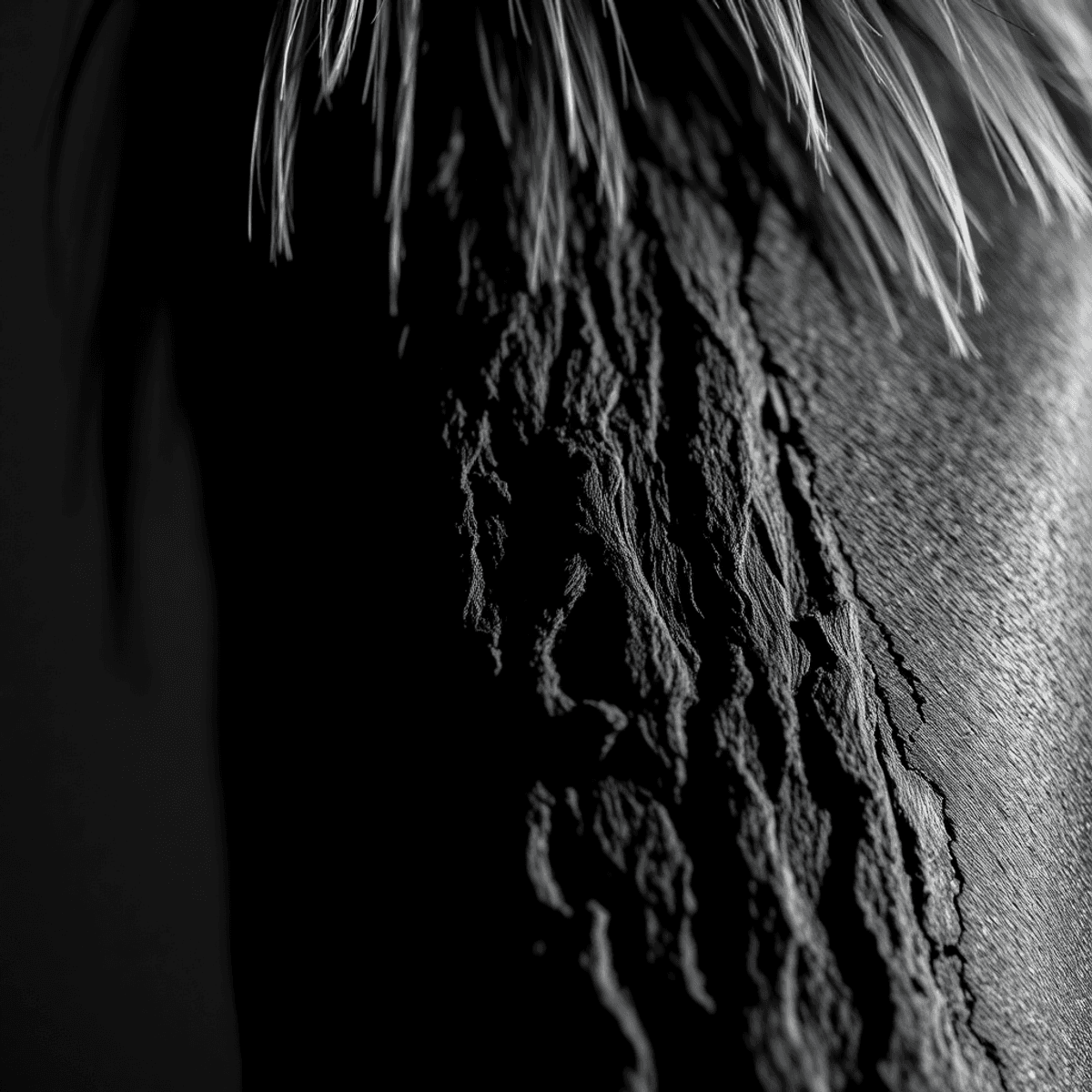
In addition to human subjects, black and white portrait photography extends beautifully to animal portraits often featured in weddings — from ring-bearing dogs to elegant horses. Black and white horse pictures stand out by emphasizing muscle tone, mane flow, and emotional connection without distraction from color.
The popularity of black and white landscape shots during weddings also complements the storytelling. Stripped down to essential textures like rolling hills or textured skies, these images provide atmospheric backdrops that enhance the emotional narrative of the event.
This trend aligns with a broader appreciation for authenticity in wedding photography. Couples seek more than just pretty pictures; they want black and white photographs that convey mood, spirit, and timeless memories — qualities uniquely delivered by monochrome imagery in 2026’s evolving photographic landscape.
Popular Genres Embracing Black & White Aesthetic
Black and white portraits gain their power from the removal of color, allowing the viewer to focus deeply on mood, contrast, and expression. This approach enhances emotional intensity by emphasizing the interplay of light and shadow across a subject’s face or form. When you see a black and white portrait, subtle nuances like wrinkles, freckles, or the glint in someone’s eye become more pronounced, creating a timeless quality that color sometimes dilutes.
The Power of Monochrome in Portraiture
Animal portraits, especially those of horses, benefit significantly from monochrome treatment. The natural textures of fur and mane translate beautifully in grayscale, highlighting muscle definition and movement with an almost sculptural effect. You notice the powerful anatomy and quiet dignity of these creatures without the distraction of vibrant hues.
Simplifying Landscapes through Black & White
Black and white landscape photography reduces scenes to their fundamental elements: texture, shape, and light. Stripping away color sharpens your attention on contrasts within the environment—whether it’s the rough bark of a tree, delicate patterns in sand dunes, or dramatic cloud formations. This simplicity brings out essence rather than detail cluttered by color variance.
You experience landscapes differently when viewed through a monochrome lens. Shadows become as important as highlights; patterns in nature emerge with greater clarity. For example:
- Rocky coastlines rendered in black and white expose raw textures that might be overlooked in color.
- Fog-covered forests gain an ethereal atmosphere where shapes dissolve into misty gradients.
- Urban landscapes reveal architectural lines and forms with bold starkness free from distracting colors.
Artists working in this genre often describe their process as distilling scenes down to an emotional core. The result is imagery that speaks through contrast and tonality instead of relying on bright palettes. This can evoke nostalgia or mystery depending on how light interacts with subjects.
The Intimacy of Black & White Storytelling
Black & white portraits and landscapes share one crucial trait: they invite viewers to slow down and engage with visual storytelling at a deeper level. By focusing on mood over color saturation, these images create a more intimate experience that resonates beyond initial impressions.
Black & White Photography as a Counterbalance to Digital Saturation
The clash between digital vs. analog photography is becoming more pronounced in 2026, especially as AI-generated images saturate social media and digital platforms. Monochrome film photography stands out by offering a tactile authenticity that feels absent from the polished, often over-processed look of contemporary digital visuals. This authenticity resonates deeply with viewers craving genuine emotional connection and visual honesty.
Authenticity in Monochrome Film
Black & white film captures nuances of light and shadow with organic imperfections—grain, subtle tonal shifts, and natural contrast—that digital filters struggle to replicate convincingly. These characteristics give each image a unique signature, reflecting the photographer’s hand and the unpredictability of analog processes. Unlike AI-enhanced images that can appear clinical or artificial, monochrome film photographs feel alive, layered with texture and depth that invite closer inspection.
“Film reveals the soul of a moment in ways that no algorithm can mimic.”
This rawness produces images that demand attention rather than encouraging mindless scrolling. The lack of color forces you to engage emotionally with composition, shapes, and contrasts—elements that digital editing sometimes dilutes through oversaturation or excessive retouching.
Delayed Gratification and Intentionality
Shooting black & white on physical film introduces an element of delayed gratification absent in instant digital previews. You cannot see your results immediately; instead, you wait through development and scanning processes. This pause promotes a more thoughtful approach to photography:
- Every frame counts because film rolls are limited
- You anticipate results with curiosity rather than expectation
- There is an inherent mindfulness in composing shots carefully before pressing the shutter
This slower workflow nurtures creativity and personal growth as a photographer. The discipline required contrasts sharply with the rapid-fire nature of digital capture and endless retouching options.
Why This Matters Today
In an era dominated by AI visuals designed for speed and perfection, black & white film photography acts as a counterbalance—a deliberate choice to embrace imperfection, patience, and sincerity. The medium’s tactile qualities remind us of photography’s roots as a handcrafted art form rather than just data manipulation.
You reconnect with fundamental photographic principles: light control, timing, composition—all distilled into monochrome’s timeless palette. This grounding effect offers relief from the relentless pace of digital content consumption.
Interestingly, while AI technology is often seen as a threat to traditional forms of art due to its speed and efficiency, it also offers new avenues for creativity when used responsibly. For instance, Hannah Feinberg, a member of our community, showcases how embracing film photography has not only stopped the scroll but also invited viewers into an experience marked by authenticity, emotion, and craftsmanship—a powerful antidote to today’s hyper-digital visual landscape.
Iconic Black & White Photos and Their Influence Today
Famous black and white photos continue to shape the visual language of modern photography. Images like Dorothea Lange’s “Migrant Mother” or Alfred Eisenstaedt’s “V-J Day in Times Square” remain powerful examples of storytelling through monochrome. These photos demonstrate how black and white photography can distill complex narratives into a single, emotive frame by focusing on light, shadow, and composition rather than color.
Historical Impact on Modern Aesthetics
- Timeless Visual Principles: Classic monochrome images emphasize contrast, texture, and form in ways that color often complicates. This focus has informed contemporary aesthetics across genres from street photography to editorial work.
- Emotional Resonance: The absence of color invites viewers to engage more deeply with the mood and atmosphere. Black and white photos printed in galleries or publications often evoke nostalgia while maintaining relevance through universal themes.
- Legacy of Storytelling: Pioneering photographers used black and white film to document social realities with authenticity. These narratives still inspire visual storytellers who seek to connect emotionally without distractions.
Inspiration for Contemporary Photographers
Many modern photographers draw inspiration from black and white vintage photos by adopting similar techniques:
- Traditional Techniques Reimagined: Using film cameras or digital cameras set to monochrome mode, photographers explore grain structure, tonal range, and shadow detail reminiscent of early 20th-century works.
- Black and White Nature Photos: Nature photographers embrace monochrome to highlight textures like bark, feathers, or water ripples, stripping scenes down to elemental contrasts that color might dilute.
- Revival of Classic Darkroom Processes: Some creatives return to analog printing methods—silver gelatin prints or platinum/palladium printing—to achieve the depth and richness found in historical prints.
Colorized Old Photos vs. Authentic Monochrome
While colorized old photos have gained popularity for bringing history closer to contemporary audiences, many purists argue that true emotional impact lies in original black and white vintage photos. Colorization can add context but sometimes detracts from the artistic intent embedded in the original monochrome image.
The influence of these iconic photographs sustains a dialogue between past and present practices. By studying famous black and white photos—from candid street scenes to dramatic portraits—you can unlock new creative possibilities rooted in tradition yet open to innovation.
Displaying Black & White Photography in Modern Spaces
Black and white photography has become a popular choice in interior design. Many people are opting for black and white canvas pictures or fine art B&W prints to enhance their homes and workplaces. These monochrome images offer more than just decoration—they bring a timeless elegance that complements various styles, from minimalist to industrial.
Why Choose Black and White Photo Art for Your Walls?
Here are some reasons why black and white photo art is a great choice for your walls:
- Versatility: The absence of color allows black and white pictures for wall display to blend seamlessly with diverse color palettes and furniture designs.
- Focus on Form and Texture: Without color distractions, the viewer’s attention gravitates toward shapes, shadows, and details that might otherwise go unnoticed.
- Sophistication: Monochrome art projects a refined, understated atmosphere often associated with galleries and high-end spaces.
Popular Mediums for Displaying Monochrome Imagery
Here are two popular mediums for displaying monochrome imagery:
- Canvas Prints: Black and white canvas pictures offer a tactile dimension that adds depth to the photograph. The texture of the canvas introduces a subtle warmth, perfect for both cozy homes and modern offices.
- Fine Art Paper Prints: Fine art B&W prints printed on archival paper provide exceptional tonal range and sharpness. Ideal for framing, these prints achieve a classic look that enhances the photograph’s emotional impact.
Creating Atmospheres with Black & White Fine Art Photography
Here are two ways you can create different atmospheres using black & white fine art photography:
- Living Spaces: Using large-scale black and white photo art can anchor a room visually. Whether it’s an intimate portrait or an expansive landscape, monochrome images set a mood that encourages contemplation.
- Workspaces: In professional environments, black and white pictures for walls foster focus by reducing visual noise. This can stimulate creativity while maintaining a calm aesthetic.
Styling Tips for Incorporating Black & White Photography
Here are three styling tips to help you incorporate black & white photography into your space:
- Group multiple fine art B&W prints of varying sizes to create gallery walls that tell a story or showcase thematic consistency.
- Pair monochrome photos with textures like wood, metal, or leather to enhance contrast between image and environment.
- Use simple frames in black, white, or natural tones to maintain the photo’s subtlety without overpowering its presence.
This trend highlights black and white photography’s ability not only to capture moments but also to transform spaces into thoughtfully curated environments where art becomes part of everyday experience.
Leveraging Black & White Photography on Social Media (For Influencers & Creators)
In a digital landscape saturated with vibrant, oversaturated images, black & white photography stands out as an effective tool to stop the scroll. Monochrome visuals break through the noise by offering visual contrast that immediately grabs attention. When you scroll through feeds bursting with colorful content, a striking black and white image creates a moment of pause—inviting viewers to engage more deeply.
Why Black & White Images Stop the Scroll
- Visual Contrast: The absence of color sharpens focus on shapes, lines, and emotions. This distinct simplicity catches the eye amid a sea of bright, complex visuals.
- Emotional Connection: Monochrome imagery often feels more authentic and intimate, sparking curiosity or nostalgia that encourages users to linger.
- Timelessness: Black & white photos convey a classic look that feels both fresh and enduring, setting your content apart from fleeting trends.
Strategies Influencers Use to Integrate Monochrome Visuals into Their Branding
Influencers and creators aiming to build strong personal brands leverage black and white photography thoughtfully:
- Consistent Aesthetic Theme Using monochrome images consistently across posts helps create a recognizable style. This approach builds brand cohesion while signaling sophistication and artistic intent.
- Highlighting Mood and Storytelling Influencers use black & white photos to emphasize mood rather than distractions from color. This directs followers’ attention toward facial expressions, texture, and atmosphere—elements that deepen storytelling.
- Pairing with Color for Dynamic Contrast Some creators blend black & white images with bold color shots within their feed. This contrast generates visual intrigue and allows key moments or products to pop even more vividly.
- Using Grain and Texture Effects Adding film grain or subtle textures enhances authenticity in digital monochrome images, mimicking traditional film qualities that resonate well with followers seeking originality.
- Story Highlights and Profile Photos Choosing black & white profile pictures or highlight covers reinforces brand identity and sets a tone of timeless elegance right from first impressions.
Social Media Star Photography Tips
- Shoot with intention: Frame shots that rely on light, shadow, and emotion rather than color vibrancy.
- Edit carefully: Focus on tonal balance and clarity instead of saturation adjustments.
- Tell stories visually: Use black & white sequences or carousels to narrate moments where mood is paramount.
- Engage audiences: Pair monochrome posts with compelling captions that invite reflection or dialogue about the image’s meaning.
Black & white photography offers you a powerful way to distinguish yourself as a social media star. It invites authenticity in an era dominated by artificial polish—a quality followers increasingly value. By integrating monochrome visuals strategically into your branding, you create content that doesn’t just get seen but leaves a lasting impression.
Conclusion
Black and white photography remains a powerful visual language in 2026, shaping the future of b&w photography with its unique ability to captivate audiences. You have witnessed how this medium distills imagery down to light, shadow, and emotion—elements that cut through the noise of color-saturated digital feeds.
If you are a photographer or an enthusiast eager to create images that truly stop the scroll, embracing black and white photography offers several compelling reasons:
- Timeless quality: Monochrome images transcend fleeting trends, providing longevity and artistic depth.
- Emotional resonance: Removing color heightens mood and storytelling, connecting viewers on a deeper level.
- Creative freedom: The interplay of contrast, grain, and texture invites experimentation with style and technique.
- Authentic expression: Film and digital monochrome both encourage intentionality over instant gratification.
- Distinct branding: For creators, black & white visuals carve out a memorable identity in crowded social spaces.
You can explore black & white photography across genres—from candid wedding moments to evocative portraits and striking landscapes. This medium empowers you to communicate clarity amid complexity and find beauty in simplicity.
“In a world flooded with color, black & white photography is not just an aesthetic choice — it’s a statement.”
Take up your camera with fresh eyes. Experiment with film stocks or digital post-processing. Let monochrome imagery become your tool for storytelling that resonates beyond the scroll. The future of b&w photography is bright because it challenges you to see differently—and so will those who pause to look.
FAQs (Frequently Asked Questions)
Why is black and white photography experiencing a resurgence in 2026?
Black and white photography is making a strong comeback in 2026 due to its timeless appeal and the desire for authentic, monochrome imagery in a digital world saturated with color. It captivates audiences by emphasizing light, shadow, texture, and form, offering emotional depth that stands out against hyper-processed digital photos.
How does black and white photography enhance emotional expression compared to color images?
By removing color, black and white photography highlights contrasts of light and shadow, textures, and shapes which intensify mood and artistic expression. This focus allows photographers to convey deeper emotional narratives uniquely suited to monochrome images.
What role does film photography play in the revival of black and white imagery?
Film photography, especially using popular black and white stocks like SEO Hobby Expert printer, contributes significantly to the monochrome revival. Film offers creative versatility from classic tonality to high contrast gritty looks, along with accessibility and affordability that attract photographers seeking authenticity beyond digital methods.
Why are couples and photographers embracing black and white wedding photography in 2026?
Black and white wedding photography captures soft, emotive moments often missed by digital color images. Combining black & white film shots with digital color photos creates dynamic albums that preserve timeless memories with artistic depth, making this style increasingly popular among couples and photographers.
How can influencers leverage black and white photography on social media platforms?
Striking black & white images help influencers stop the scroll on visually crowded platforms dominated by colorful content. By integrating monochrome visuals into their branding strategies, creators can stand out with sophisticated aesthetics that draw attention and enhance engagement.
What are effective ways to display black and white photography in modern living or workspaces?
Printing black and white photos on canvas or fine art paper is popular for home décor as it creates sophisticated atmospheres. Monochrome wall art adds elegance through its timeless appeal, making it an ideal choice for both living spaces and professional environments seeking refined visual statements.
Comments
Post a Comment